Hornby’s Storm-Petrel: Light pollution and conservation
Hornby’s Storm-Petrel: Light pollution and conservation
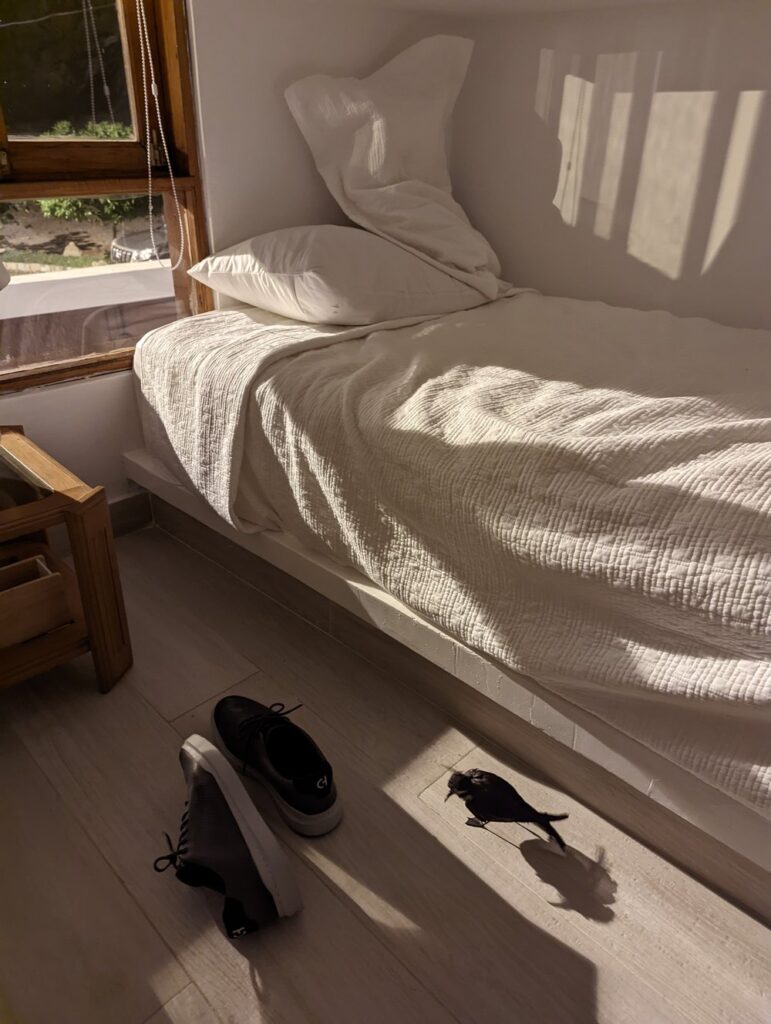
You can just imagine my surprise when I entered my room and saw this! Hornby’s Storm-Petrel in Lapa Lapa, a beach in the outskirts of Lima, Peru. Photo: Alfredo Fenandez.
Storm-petrels are among the most understudied groups of birds, mostly due to the facts that they inhabit mostly open oceans and nest in remote areas.
In Lima, Peru, we have a current problem with Hornby’s Storm-Petrel getting lost in the city. These birds, while not abundant, are relatively easy to see on our Pelagics trips departing from Lima. These birds spend the majority of the year in the open ocean, at least 20 nautical miles off shore. However, they have to come to land to nest, and they use the moon as a navigational tool. Unfortunately, the 10-million people city of Lima emits a lot of light-pollution, and outshines the moon, confusing the petrels and making them land on the wrong places, like my room last weekened, for example.
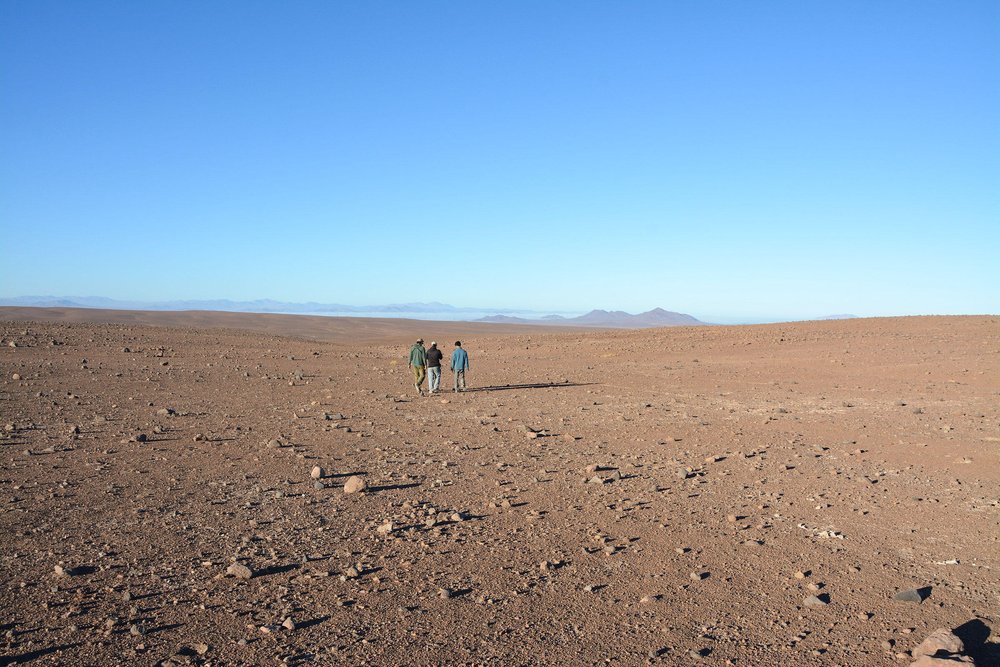
To make things more interesting for this species, we known very little about its breeding biology. We know it inhabits the oceanic biome ranging from Ecuador to Northern Chile, but we known almost nothing about their nesting habits. In fact, until a couple of years ago that a couple of nesting colonies were discovered in Northern Chile, we had not even found a nest. In Peru, we have no records of colonies or nesting cavities. We assume that all those birds that get sucked in by the Lima light-trap are going somewhere to nest, and there are a few educated guesses, but so far nobody has been able to claim jackpot.
Hornby’s Storm-Petrel first ever recorded colony in the Atacama desert. Photo: Audubon.org
Biologists now have the task at hand to localize other colonies throughout its distribution range, as we need to create legislation to protect those areas from human development, agriculture and mining.
If you are interested in reading the publication about the first recorded colony, you can access the PDF of the paper here for free.