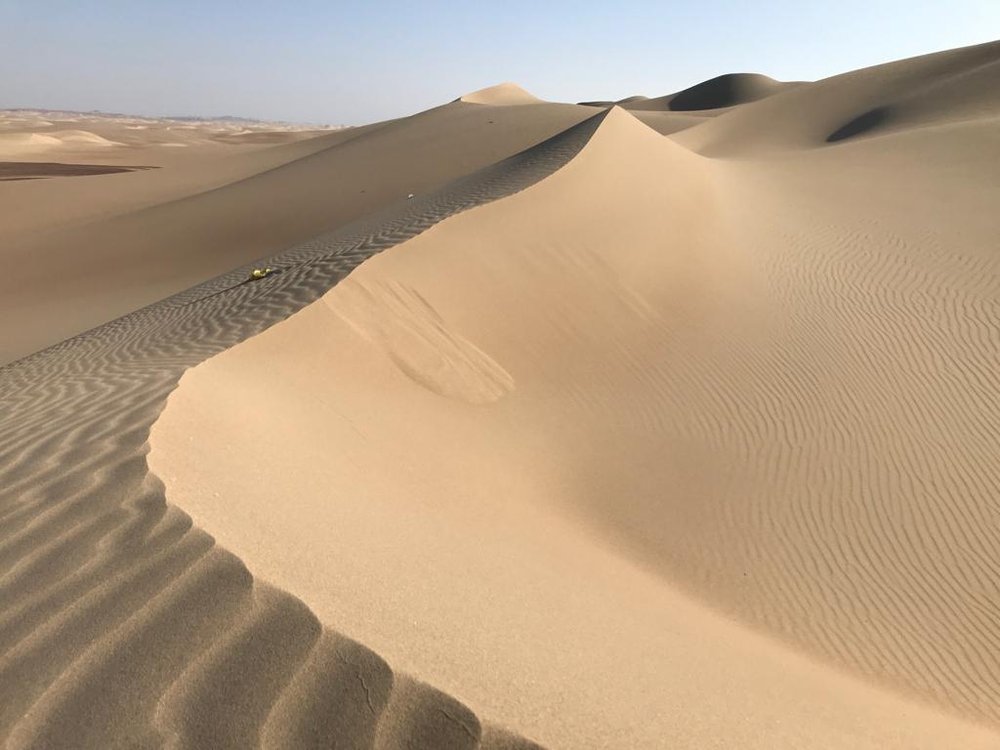
The photo above could easily have been taken almost anywhere alongside the Peruvian Coast, as this dry and arid environment heavily predominates the Peruvian Coast. However, during some months of the year, something amazing happens. During the winter months (May – September) the mist coming from the cold Pacific Ocean condensates on a set of patches of desert, that happen to have the required altituted and inclination. This creates a fog-oasis, that has been able to sustain some small forests. Once this season is over, the extreme heat from the summer eliminates any condensation and kills all the vegetation on the area, turning the area back into a desert. This cycle continues on a yearly basis.
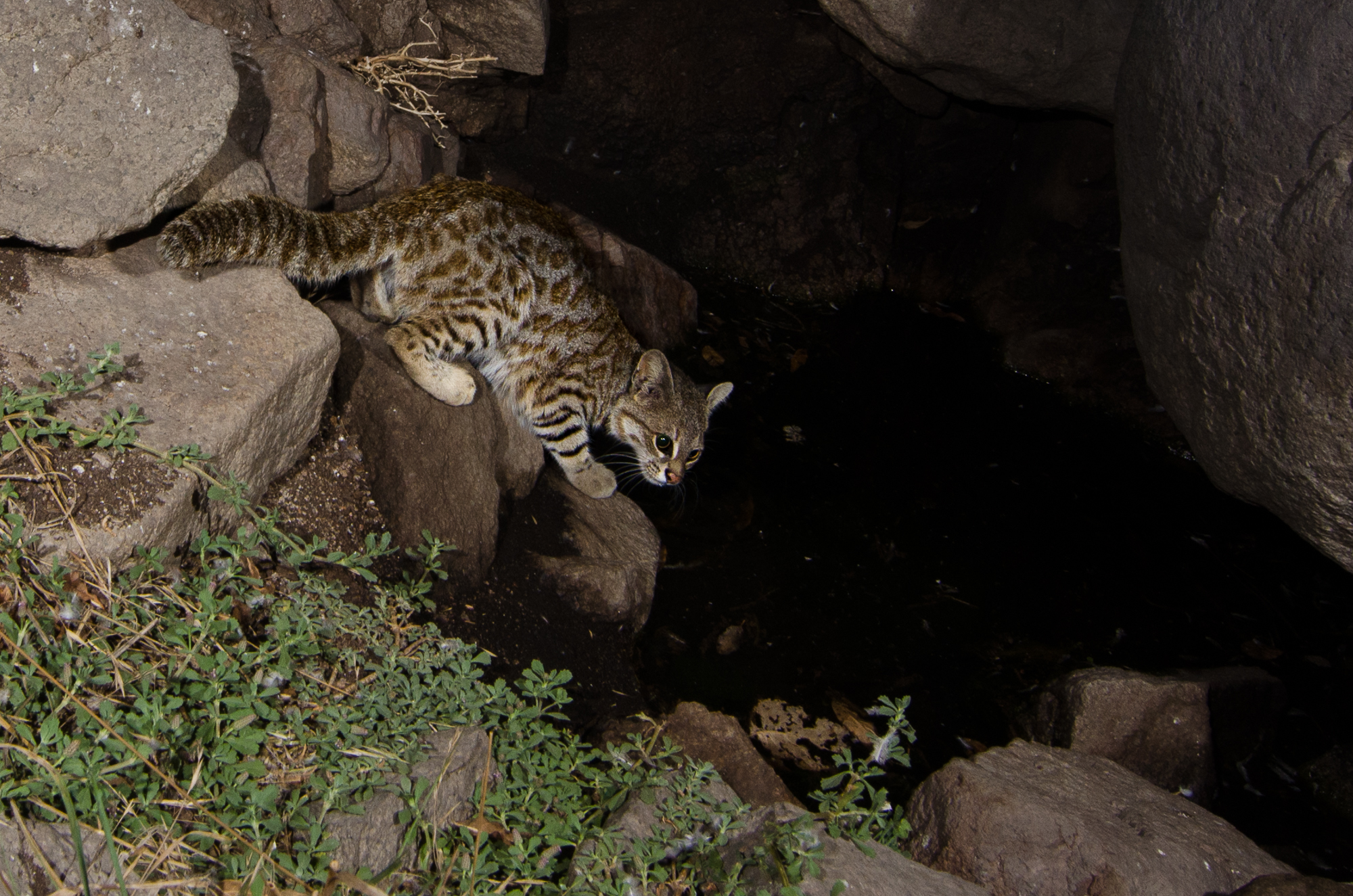
Coincidentally, the wet season of the Lomas ecosystem matches the dry season in the Andes, acting as an feeding and hunting ground alongside the Coast for Andean animals. This created an seasonal altitudinal migration for many species, such as Guanacos, White-tailed Deers, Pumas, Pampas Cats and a plethora of birds and smaller mammals.
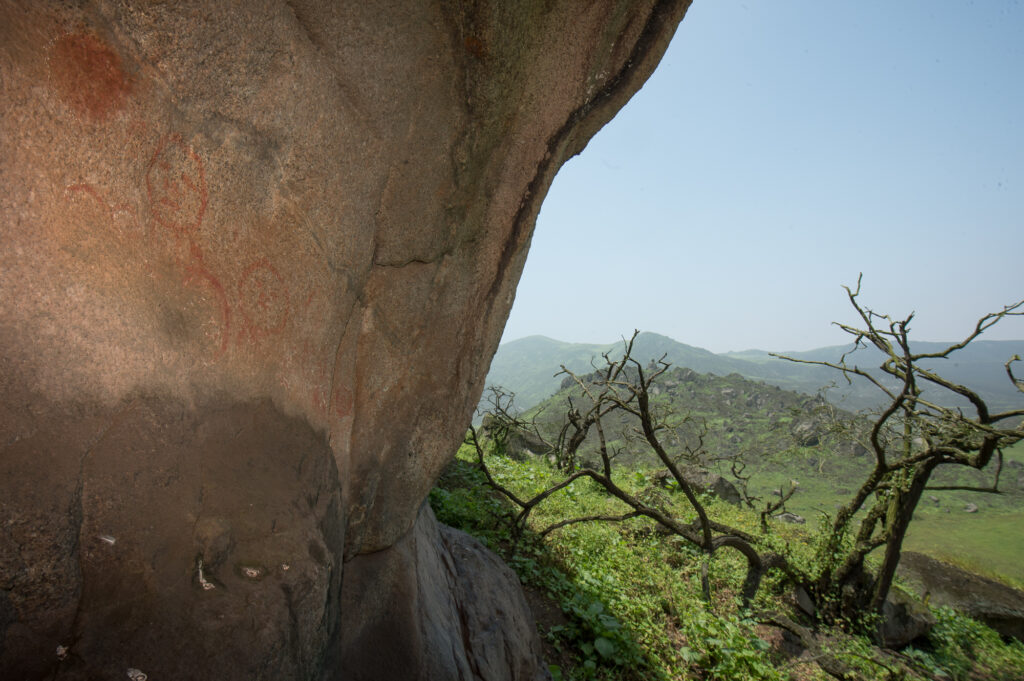
It is known that, before the first civilizations happened in Peru, these areas were used as hunting ground by the nomadic tribes of the area, which followed the animal migrations.
Anthropomorphic Cave Paintings at Lomas de Lachay.
Unfortunately, most of the areas once encompased by this ecosystem have been lost. Logging of their forests, and human development has destroyed many areas that are now impossible to recover. What is even worse, is the compound effect of this destruction. Given that the more surface area there is, the more water can be condensed and dripped into the ground, cutting the trees for wood not only elimates them from the area, but effectively also inhibits the surrounding areas from getting water and dries them up indefinetly.
Located some 100 kilometers north of Lima, there is a National Reserve called Lomas de Lachay. It is arguably one of the last and best preserved Lomas in Peru. During a day trip it is possible to many bird species, many of which are endemic, such as Cactus Canastero, Thick-billed Miner, Coastal Miner, 、そして Raimondi‘s Yellowfinch, as well as other more widespread species such as Black-chested Buzzard-Eagle, Variable Hawk, Burrowing Owl, Peruvian Thick-knee, Peruvian Meadowlark, Andean Tinamou, 、そして Least Seedsnipe.
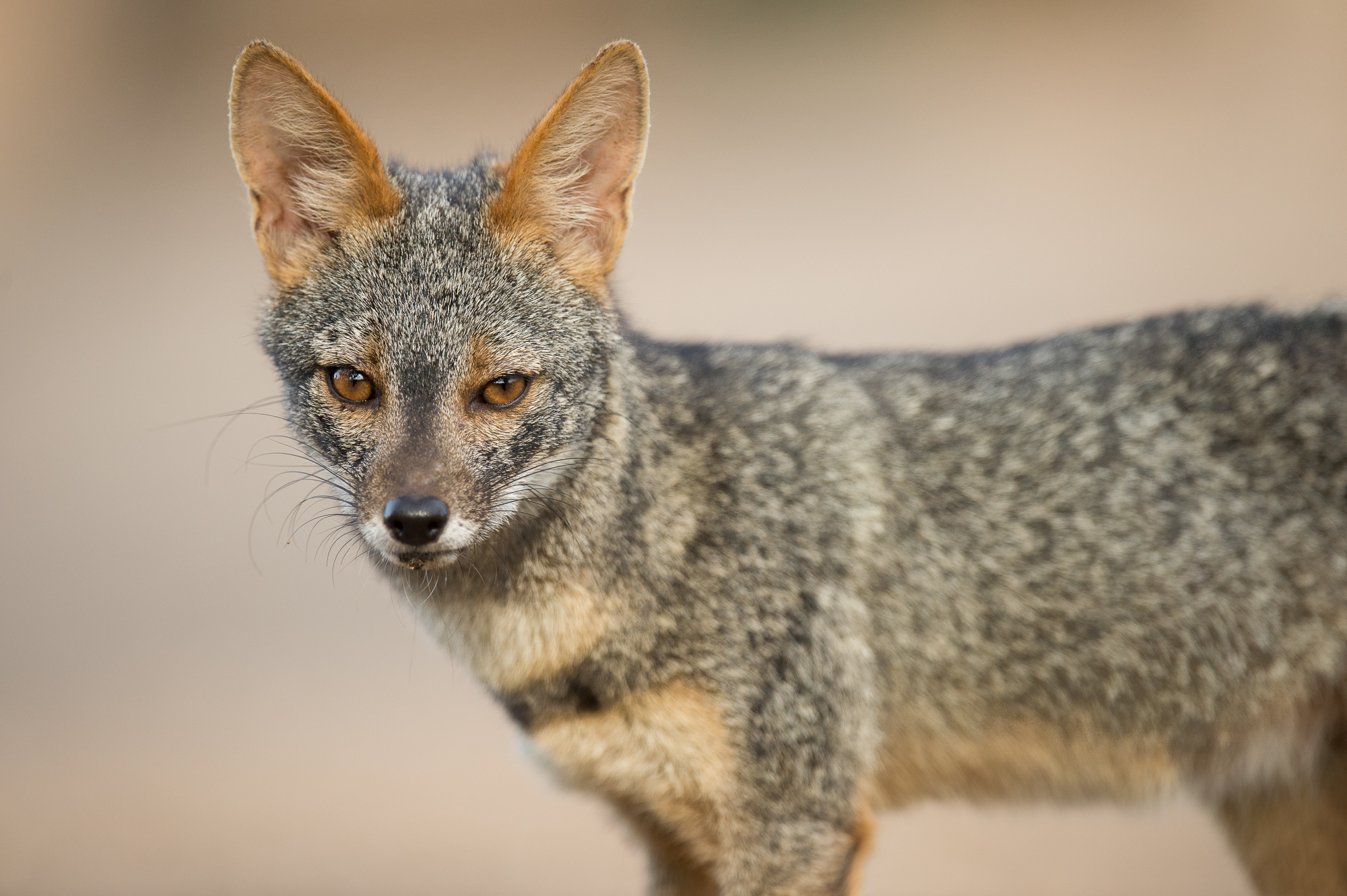
The area is also a great place to see Mammals. With some luck we can catch a glimpse of a Sechuran Fox or an Andean Fox walking along the trail. While more luck is needed, the Pampas Cat is a species that is regularly seen in the area by both tourists and rangers.
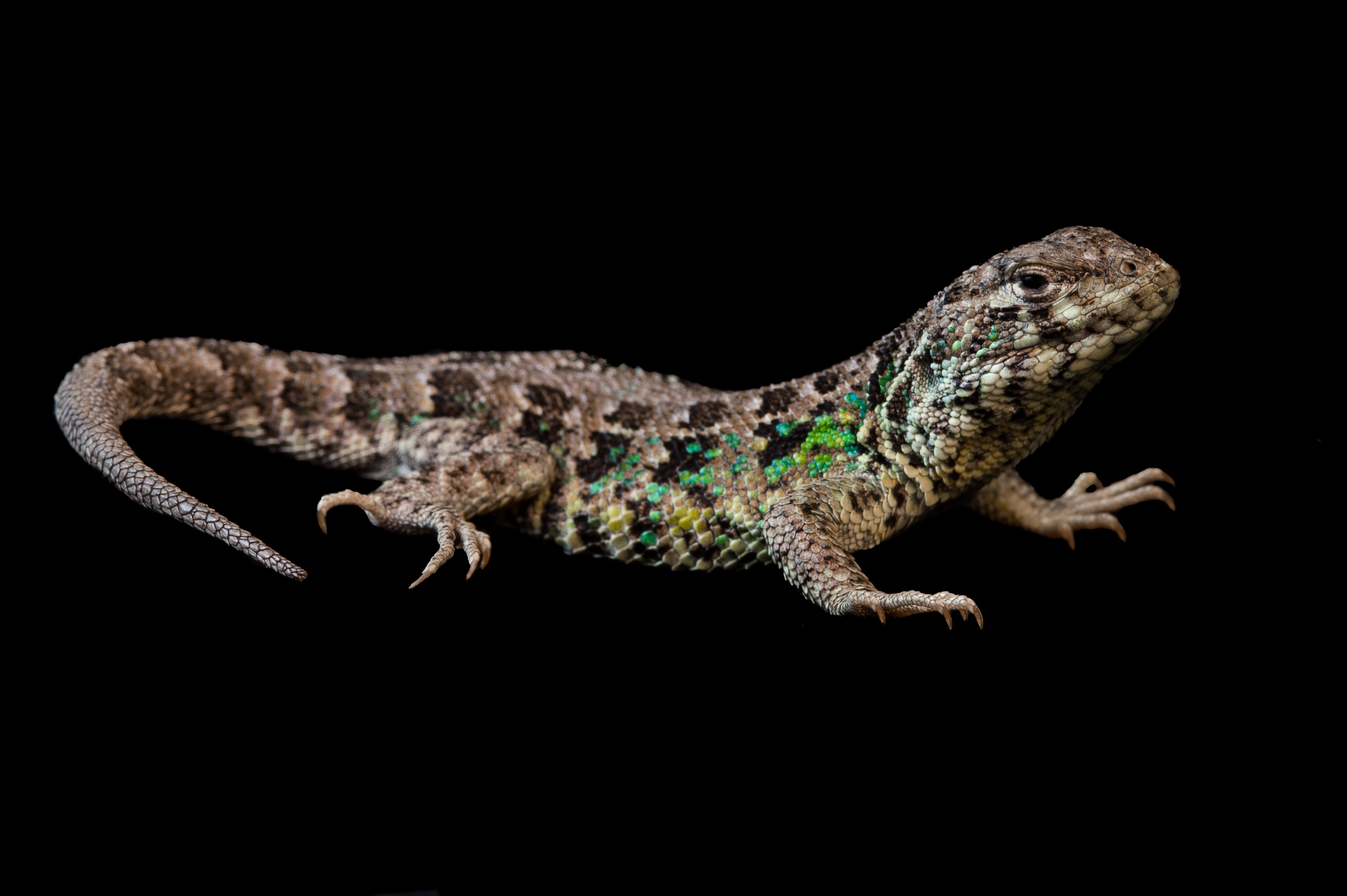
If you are interested in repitles, a night walk during the dry season easily produces Coastal Fer-De-Lance, a viper endemic to the Central Coast of Peru.
Alfredo Fernandez, co-founder of Wild Andes, spent most of 2017 working in Lomas de Lachay as a photojournalist, working for the National Geographic Society. If you are interested to visit this unique and endangered ecosystem, please check out our regular Lomas de Lachay one-day tour, or if you are interested in a more specific adventure or target here, contact us for a tailor made service.