Discover one of Peru’s most iconic coastal ecosystems with our 3-day Birding Tour in Paracas, a world-class destination for shorebirds, seabirds, endemics, and unique desert wildlife. This carefully designed itinerary explores Paracas Bay, the Paracas National Reserve, Ballestas Islands, and the productive wetlands and desert forests that make this region a hotspot for both resident and migratory species.
Day 1 – Paracas Bay, Sequión, Lagunillas & La Mina: Shorebirds, Endemics & Coastal Specialists
We begin our Paracas birdwatching tour early in the morning scanning the rich mudflats of Paracas Bay, an essential stopover for migratory shorebirds. Here we look for Snowy Plover, Semipalmated Plover, Western, Least and Semipalmated Sandpipers, Ruddy Turnstone, Sanderling, and many more coastal species.
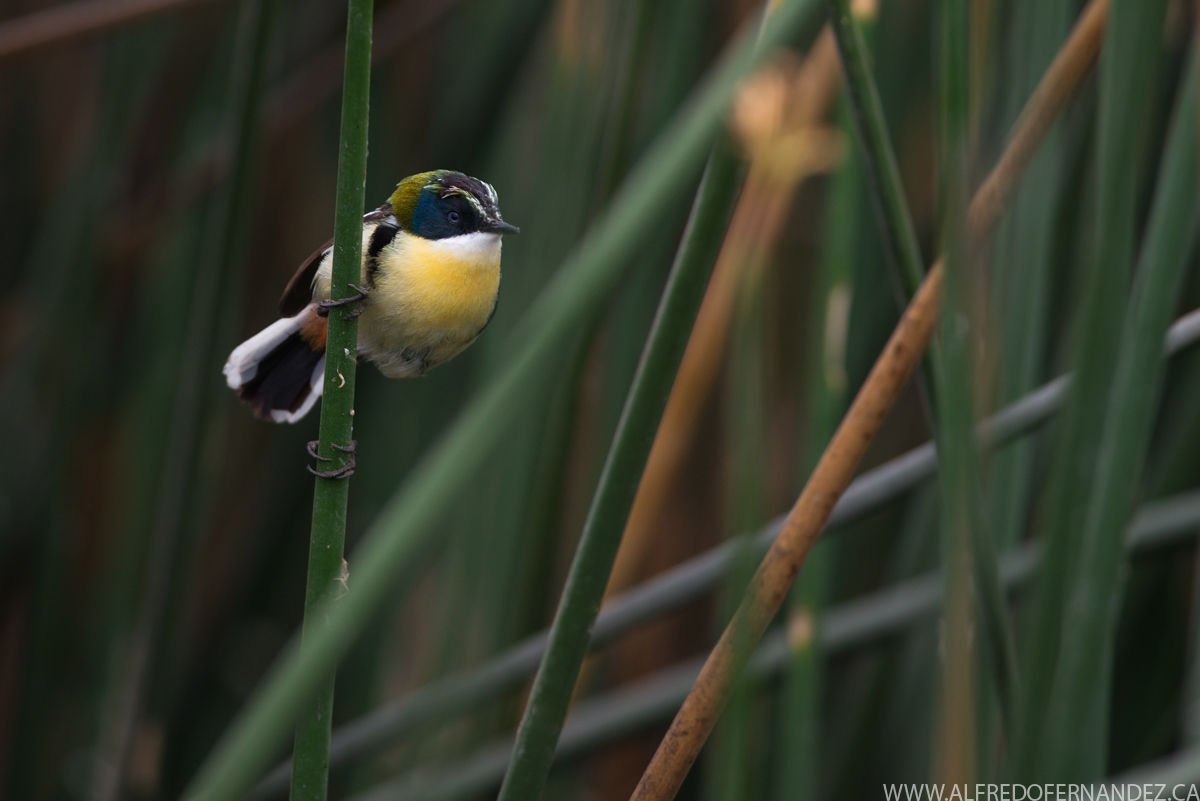
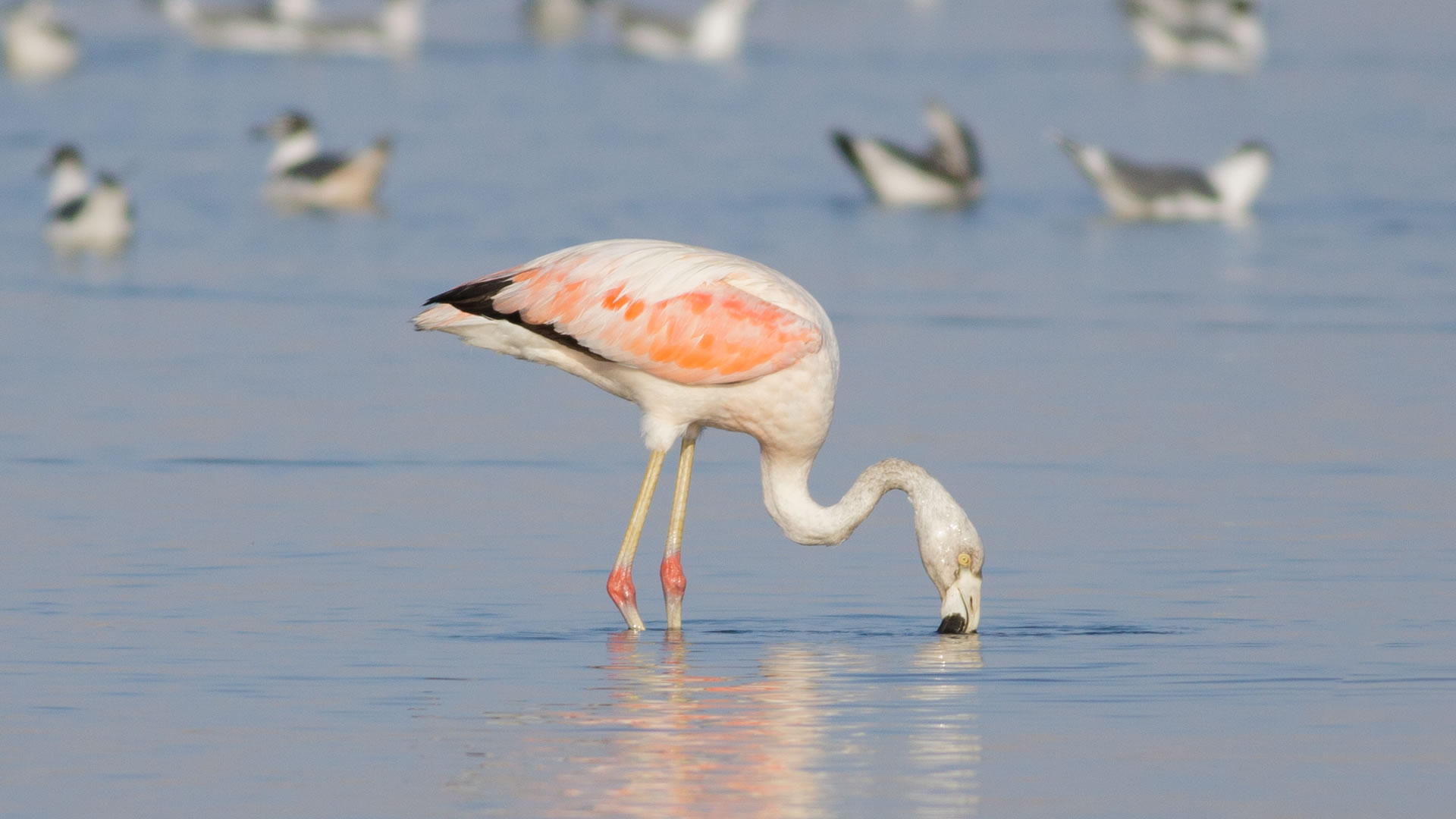
A visit to the Reserve’s museum area often produces sightings of the endemic Coastal Miner, a key target for birders visiting Paracas. Just a short walk from this point, we observe elegant Chilean Flamingos feeding close to shore, alongside Black Skimmers, American Oystercatchers, and White-cheeked Pintails.
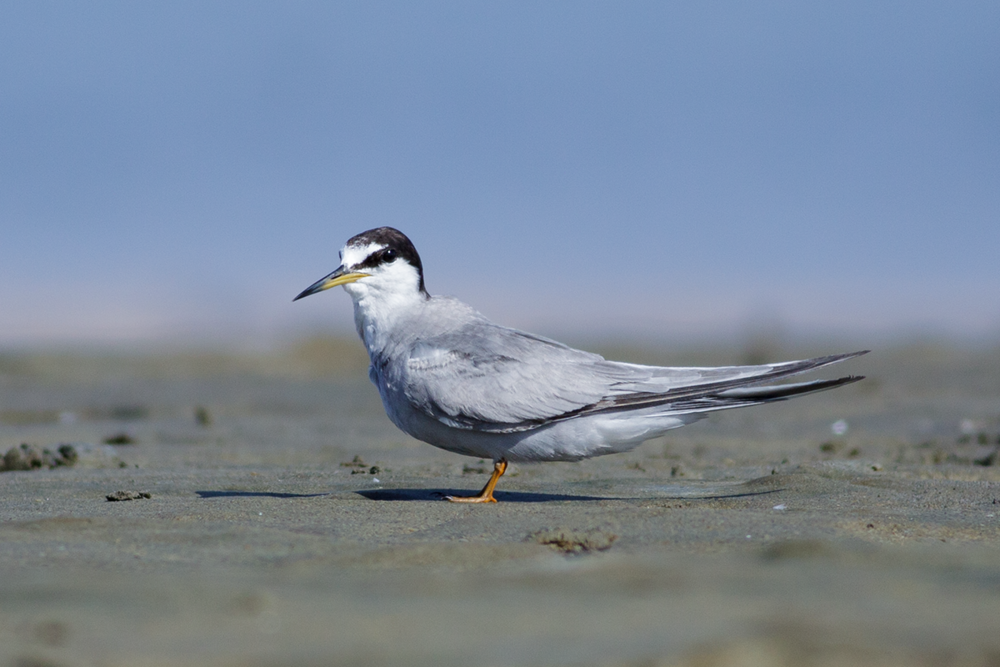
We then continue to the quiet Sequión Bay, one of the best places in Peru to find the endangered Peruvian Tern, usually present throughout the year.
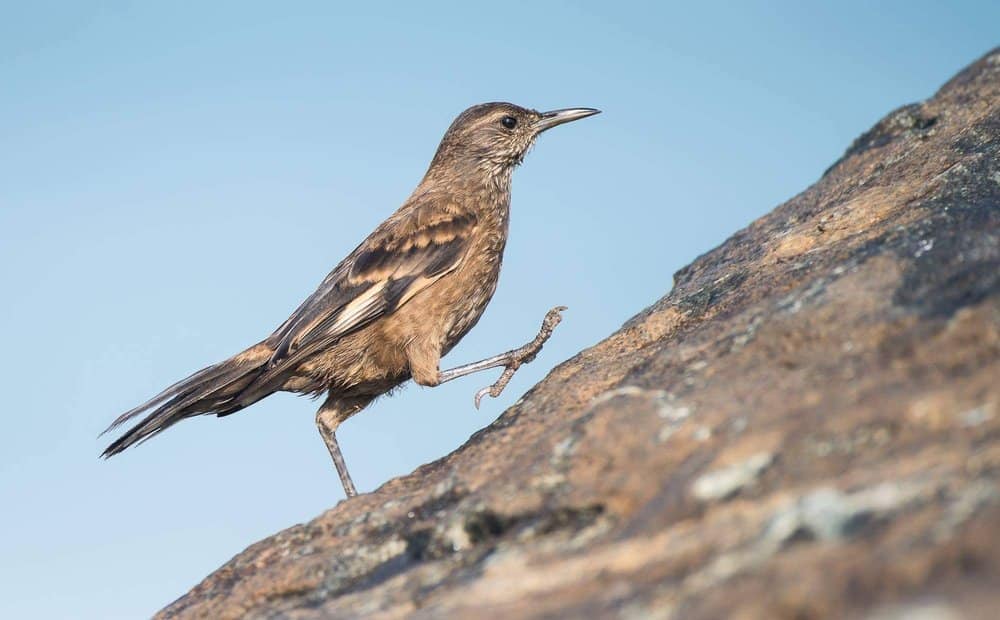
By midday we reach the charming fishing town of Lagunillas, where we scan rocky coastlines for the endemic Surf Cinclodes, often feeding actively in the intertidal zone. Surfbirds and Blackish Oystercatchers are also frequently seen.
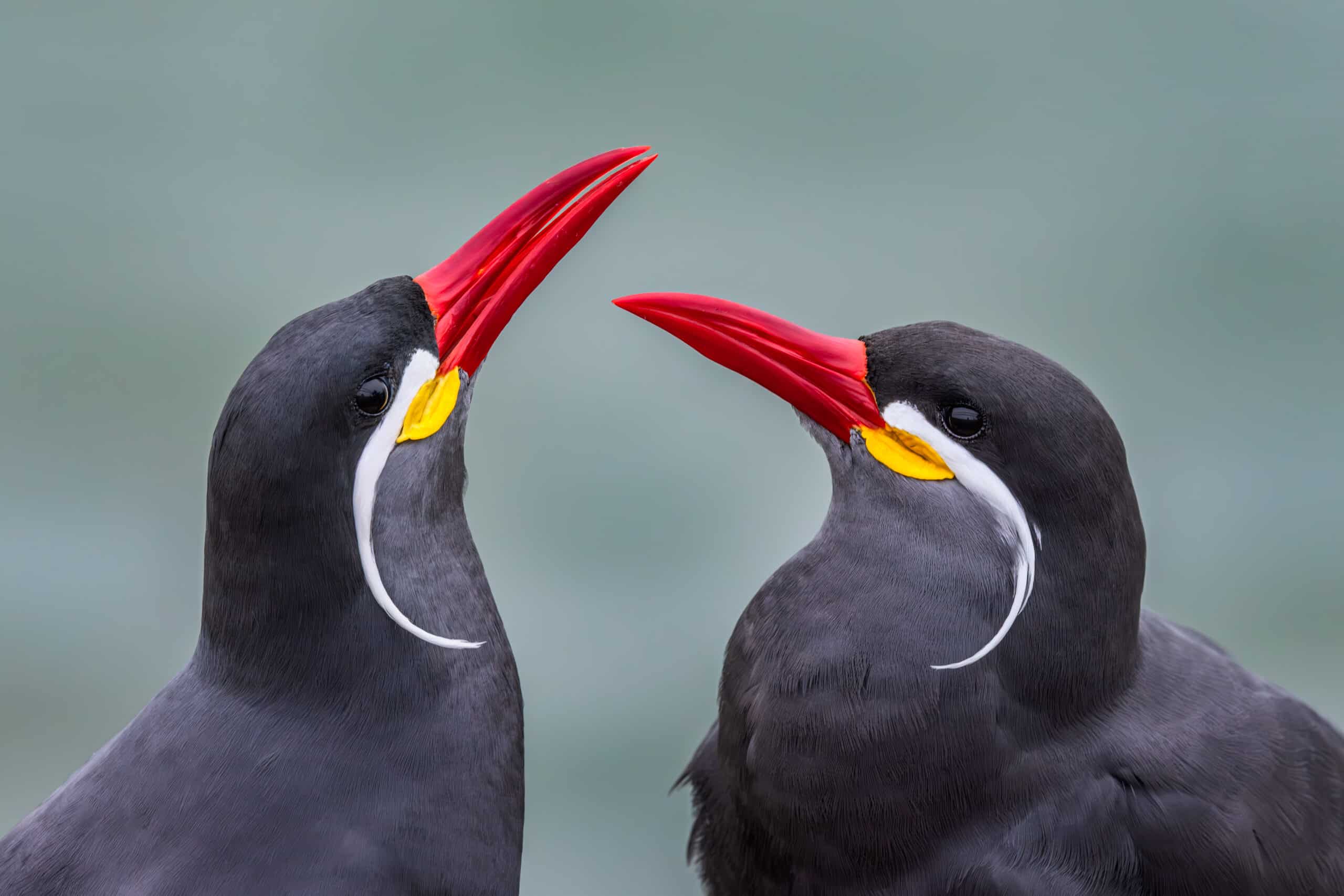
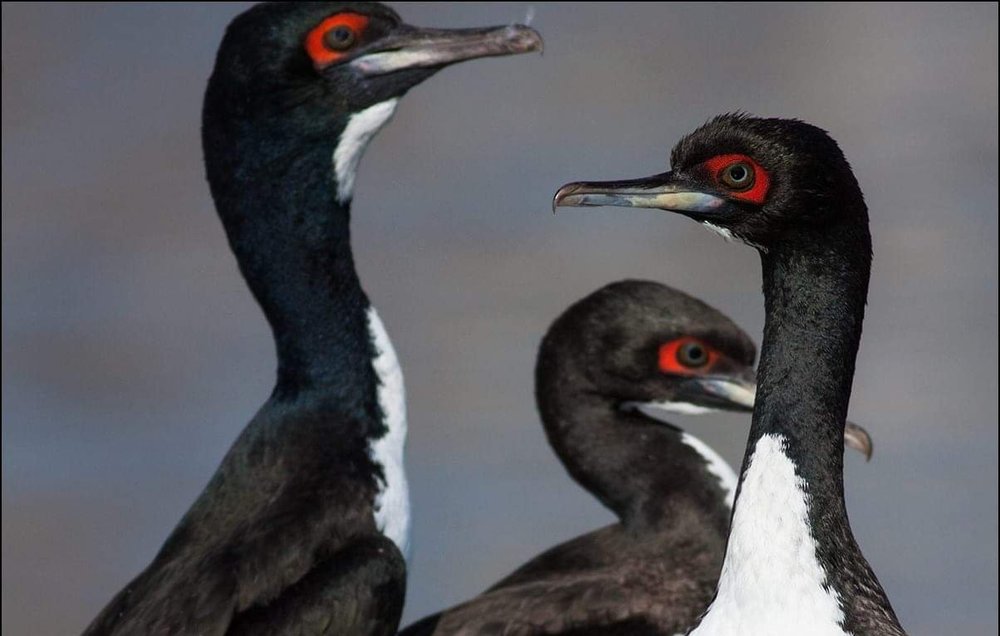
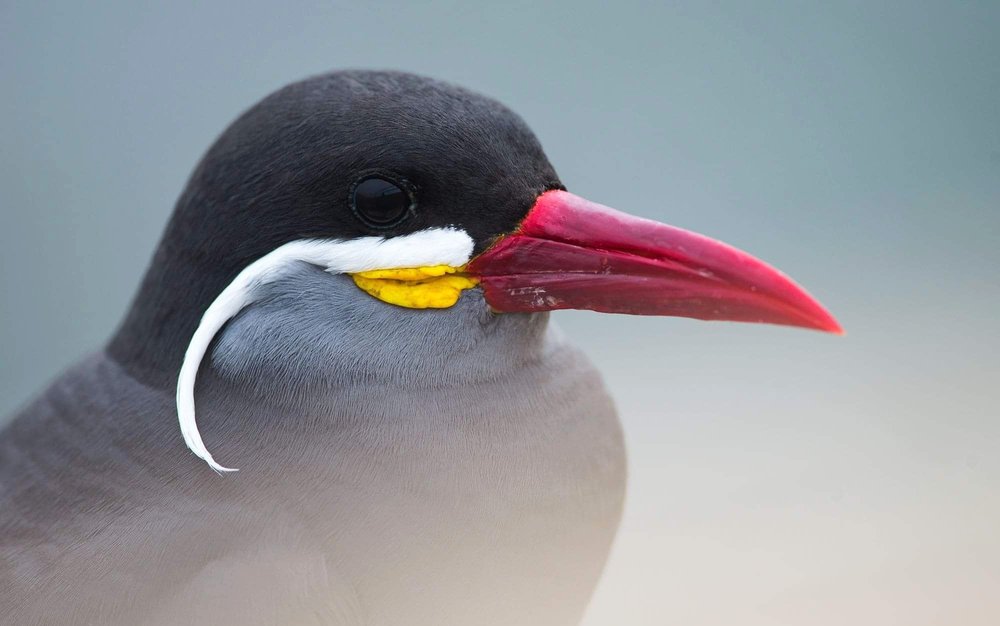
After lunch, we head to the scenic La Mina Beach, home to spectacular flocks of Inca Terns resting on the rocks. This pristine area also hosts Gray Gulls and Red-legged Cormorants. If time permits, we explore nearby rocky coves in search of the elusive and endangered Marine Otter, another highlight of Paracas wildlife.
Day 2 – Ballestas Islands & Pisco Wetlands: Seabirds, Penguins & Marsh Specialists
Our morning begins with a visit to the famous Ballestas Islands, sometimes called “Peru’s Galapagos” for their overwhelming abundance of marine life. En route, we stop to admire El Candelabro, a mysterious geoglyph etched into the desert cliffs—its origin and meaning still unknown.
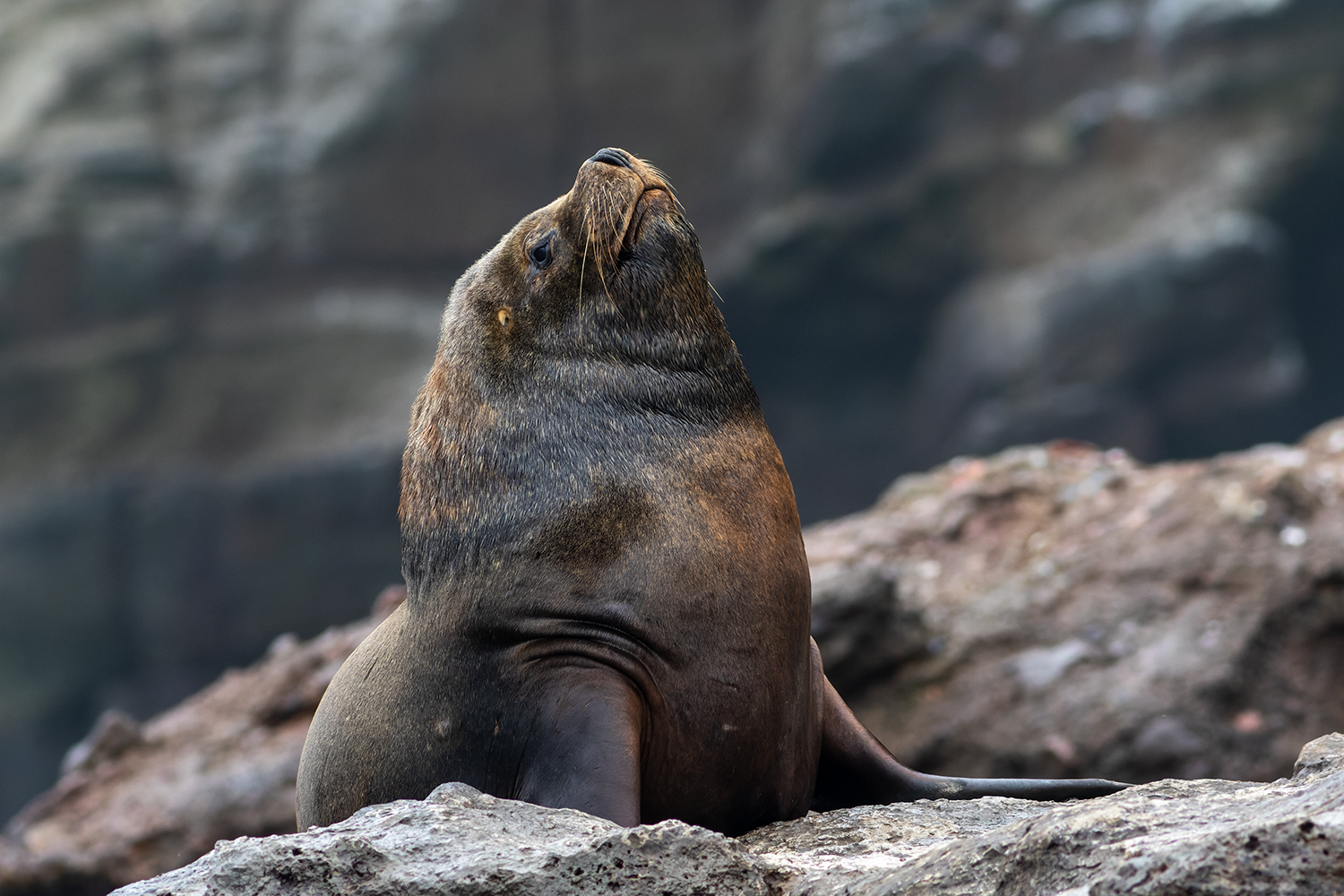
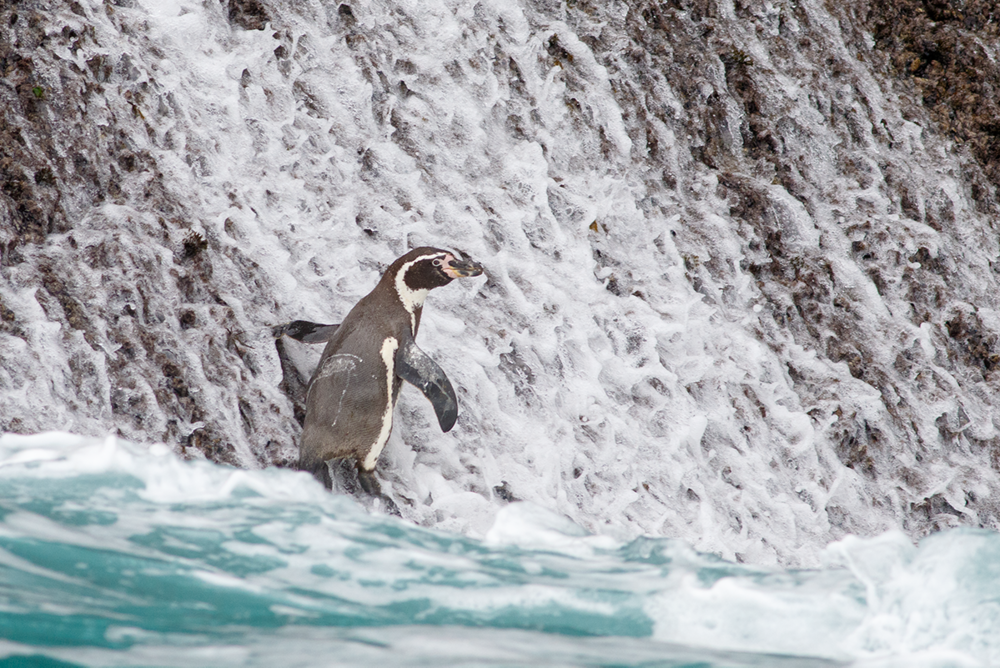
At the volcanic islands, we encounter a breathtaking concentration of marine species. Expect close views of South American Sea Lions, plus thousands of Guanay Cormorants, Red-legged Cormorants, Peruvian Boobies, Peruvian Pelicans, and graceful Inca Terns. The islands are also home to Humboldt Penguins, a key target species for birders in Paracas.
During the boat ride back, we scan open waters for pelagic birds including Peruvian Diving-Petrel, Markham’s Storm-Petrel, and Sooty Shearwater, making this one of the most productive pelagic opportunities on the Peruvian coast.
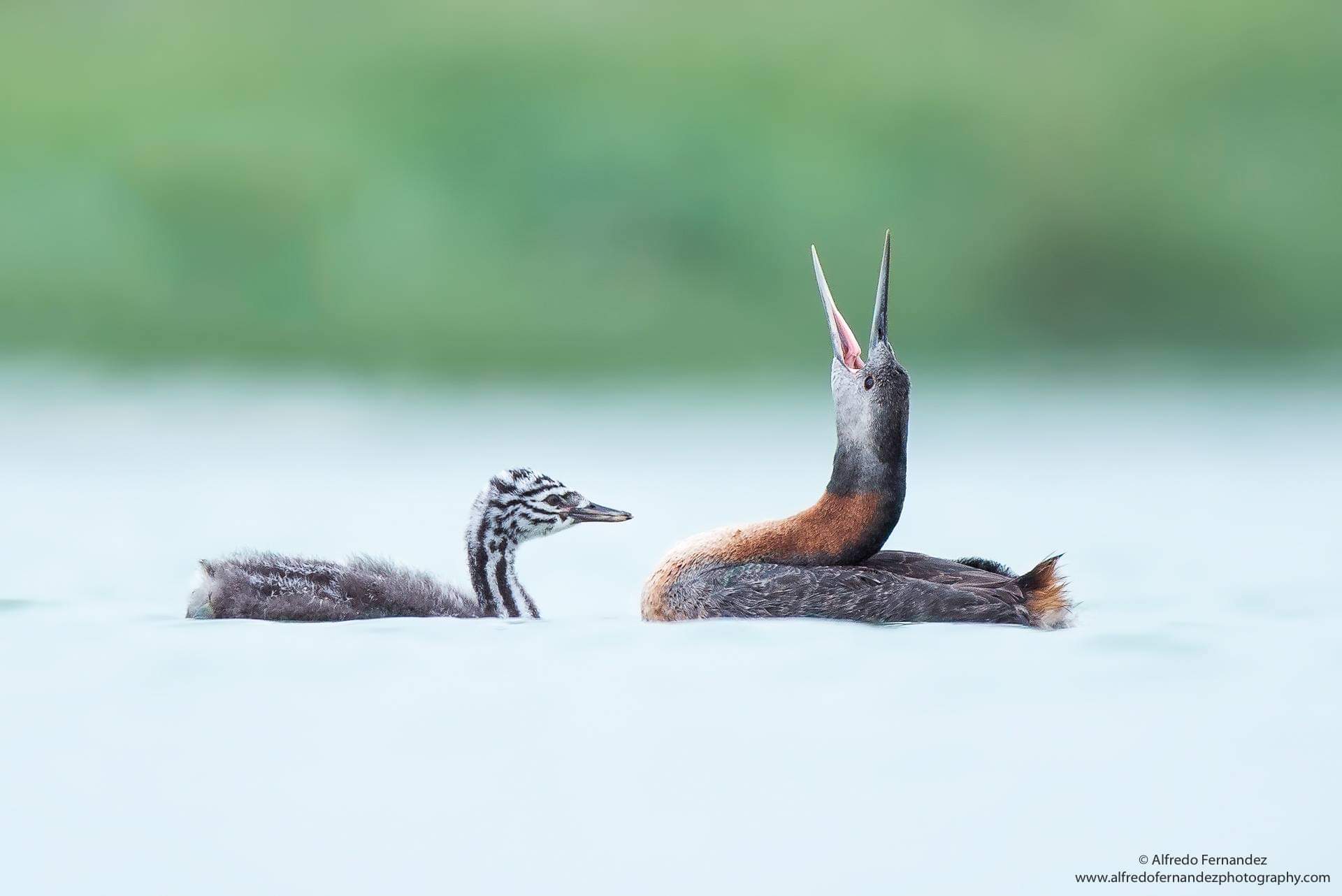
In the afternoon we explore the Pisco wetlands, where freshwater and brackish habitats attract species such as Great Grebe, Pied-billed Grebe, Cinnamon Teal, White-cheeked Pintail, Ruddy Duck, Plumbeous Rail, Many-colored Rush-Tyrant, and Wren-like Rushbird—a perfect contrast to the marine species seen earlier.
Day 3 – Desert Mesquite Forest: Endemics & Desert Specialists
Although Paracas lies within the driest desert on Earth, it shelters fascinating pockets of Mesquite forest perched atop the dunes. These unique habitats are home to several desert specialists and endemics.
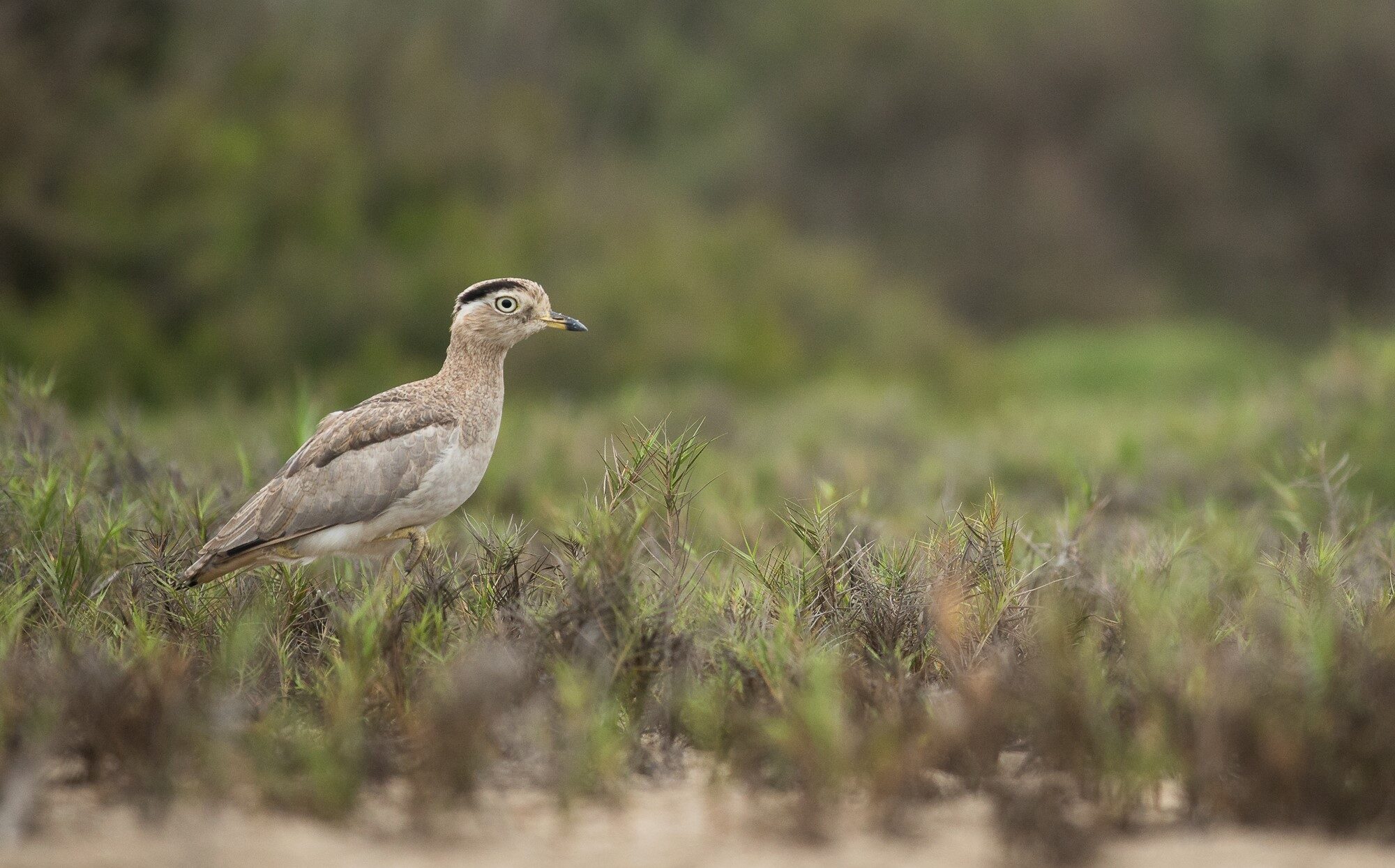
We search for Slender-billed Finch and return chances for the endemic Coastal Miner. Other species commonly seen include Vermilion Flycatcher, Amazilia Hummingbird, Yellow-billed Tit-Tyrant, Pied-crested Tit-Tyrant, Peruvian Thick-knee, Burrowing Owl, and the striking endemic Black-necked Woodpecker, a highlight for many visiting birders.
This final day provides an exceptional close-up of the specialized birdlife that thrives in Peru’s coastal deserts.
PRICING – PARACAS NATIONAL RESERVE
| Group Size | Price (USD) |
|---|
| 2 pax | 1800 USD |
| 3 pax | 2300 USD |
| 4 pax | 2500 USD |
| 5 pax | 2900 USD |
| 6 Pax | 3100 USD |